
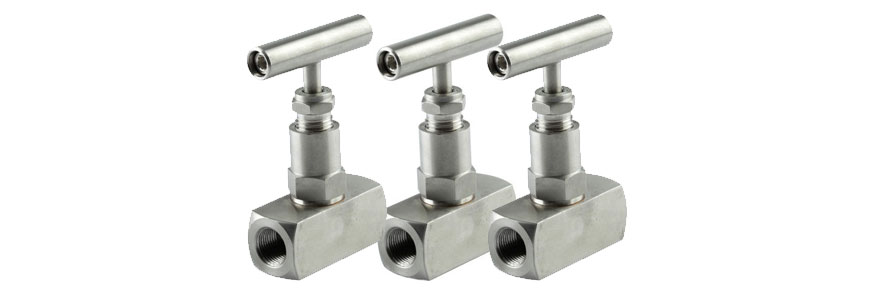
In the sophisticated arena of fluid management, precision is paramount. Stainless Steel Needle Valves stand as pillars of precision, enabling meticulous control over the flow of liquids and gases in an array of industrial applications. Crafted from robust stainless steel, these valves not only offer precise flow regulation but also boast exceptional durability, making them indispensable in environments where both accuracy and resilience are non-negotiable. Let’s delve into the intricacies of stainless steel needle valves, highlighting their functionality, advantages, and the diverse applications they empower.
The Essence of Stainless Steel Needle Valves
A needle valve’s primary function is to regulate the flow rate in a system, achieved through a slender, tapered point at the end of the valve stem—resembling a needle—that fits into a seat. The design of stainless steel needle valves allows for the precise adjustment of flow, with the durable stainless steel construction ensuring the valve’s longevity and resistance to corrosion. This makes them an ideal choice for controlling small flow rates in a variety of mediums under high pressure and in corrosive environments.
Key Features and Advantages
Precision Flow Control
The hallmark of needle valves is their ability to provide fine adjustments in flow control, making them perfect for applications requiring exact flow rates. The design of the needle and seat allows for a gradual change in flow, providing operators with precise control over the system’s operation.
Durability and Corrosion Resistance
Stainless steel, renowned for its strength and resistance to corrosion, ensures that these needle valves can withstand harsh conditions, including exposure to corrosive fluids and extreme temperatures. This resilience translates to reduced maintenance costs and a longer service life, making stainless steel needle valves a cost-effective solution for industrial applications.
Versatility Across Industries
Stainless steel needle valves are utilized in a wide range of sectors, including oil and gas, chemical processing, and pharmaceuticals, where precise flow control and valve integrity are crucial. Their compatibility with various fluids and gases makes them versatile tools for numerous applications, from research laboratories to production lines.
Applications of Stainless Steel Needle Valves
Chemical Processing
In the chemical processing industry, controlling the flow of aggressive chemicals with precision is critical for safety and efficiency. Stainless steel needle valves offer the necessary control and resistance to chemical corrosion.
Gas Flow Regulation
Needle valves are instrumental in regulating gas flow, particularly in applications where a precise mixture of gases is required, such as in combustion processes or in the calibration of medical equipment.
Hydraulic Systems
The ability to withstand high pressures makes stainless steel needle valves suitable for hydraulic systems, where they regulate the flow of hydraulic fluid, contributing to system stability and performance.
Research and Development
In R&D laboratories, where experiments may require the precise regulation of fluids or gases, stainless steel needle valves facilitate exact measurements and control, ensuring the accuracy of experimental results.
A Benchmark of Control and Reliability
Stainless Steel Needle Valves by Pioneer Industries are more than just components; they are the embodiment of precision and durability in fluid management. By offering fine control over flow in demanding environments, these valves play a crucial role in a multitude of industries, ensuring efficiency, safety, and reliability. As the need for precise flow regulation continues to grow across various sectors, the importance of stainless steel needle valves becomes ever more pronounced, cementing their status as essential tools in the modern industrial landscape.
Contact Us Today to explore how our Stainless Steel Needle Valves can elevate the performance and efficiency of your industrial processes.