
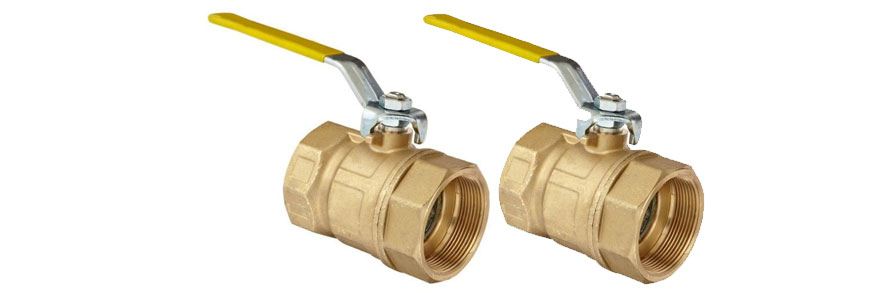
In the intricate world of flow control and fluid management, Brass Ball Valves stand out for their durability, reliability, and versatility. Crafted from brass, a material celebrated for its corrosion resistance and mechanical strength, these valves serve as a cornerstone in controlling the flow of liquids and gases. Whether deployed in residential plumbing systems or complex industrial processes, brass ball valves offer a solution that combines ease of use with long-term durability. Let’s delve into the features, advantages, and applications of brass ball valves, highlighting their significance in various sectors.
The Fundamentals of Brass Ball Valves
Brass ball valves operate through a simple mechanism: a ball with a hole drilled through its center, encased within a valve body. When the valve handle is turned, the ball rotates, aligning the hole with the flow path to permit passage, or perpendicular to it to block flow. This straightforward design facilitates rapid and reliable control of flow with minimal effort. The choice of brass as the material further enhances the valve’s appeal, offering a balance of form and function that few materials can match.
Key Features and Advantages
Corrosion Resistance
Brass is inherently resistant to corrosion, making brass ball valves well-suited for applications involving water, including hot water systems where corrosion can be accelerated. This resistance ensures a longer lifespan and reduces the need for frequent replacements.
Durability and Reliability
The strength of brass allows these valves to withstand high temperatures and pressures, making them a reliable choice for both residential and industrial applications. Their durability is further underscored by their ability to maintain integrity and functionality over years of operation.
Versatility in Applications
Brass ball valves are employed in a wide array of settings, from controlling water flow in domestic plumbing to managing gas and liquid flow in industrial processes. Their suitability for a range of temperatures and mediums makes them incredibly versatile.
Applications of Brass Ball Valves
Plumbing and Water Supply
In residential and commercial plumbing, brass ball valves are used to control water flow, offering a reliable mechanism for shutting off water in parts of the system during repairs, maintenance, or in the event of a leak.
Heating Systems
The high temperature tolerance of brass ball valves makes them ideal for use in heating systems, including radiators and hydronic heating, where they regulate water flow and system pressure.
Gas Control
Brass ball valves are also suitable for controlling gas flow in applications ranging from residential gas lines to industrial gas control systems, where a secure and leak-proof valve is crucial.
Industrial Processes
In various industrial processes, where different liquids and gases need to be controlled efficiently, brass ball valves provide a durable solution capable of withstanding the rigors of industrial use.
A Cornerstone of Flow Control
Brass Ball Valves by Pioneer Industries epitomize the ideal blend of functionality, durability, and reliability in flow control. Their widespread adoption across industries and applications is a testament to their versatility and the unmatched balance of performance and longevity they offer. As technology advances and the demands of modern applications evolve, the fundamental qualities of brass ball valves ensure their continued relevance and indispensability in efficient fluid management systems, cementing their role as a cornerstone in the field of flow control.
Contact Us Today to explore how our Brass Ball Valves can elevate the performance and efficiency of your industrial processes.