
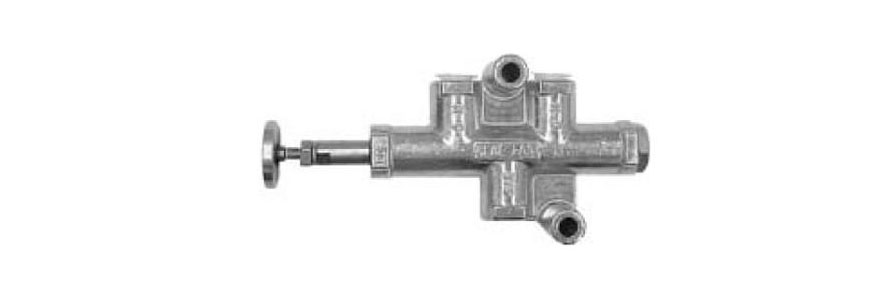
In the intricate world of pneumatic systems, ensuring safety and control is paramount. Air Interlock Valves emerge as crucial components in this context, designed to enhance operational safety and efficiency. These valves play a pivotal role in controlling the sequence of air flow, preventing the activation of machinery until specific safety conditions are met. By integrating Air Interlock Valves into pneumatic systems, industries can significantly mitigate risks and streamline processes. Let’s explore the underlying mechanics, benefits, and widespread applications of these valves, highlighting their indispensable role in industrial safety and efficiency.
Understanding Air Interlock Valves
Air Interlock Valves are sophisticated devices that control the flow of compressed air in a system based on the position or status of other components. These valves ensure that operations occur in a safe, predetermined sequence, preventing the initiation of a subsequent step until the previous action is safely completed. This interlocking mechanism is crucial in complex industrial environments where precise timing and sequence control are vital for safety and operational integrity.
Key Features and Advantages
Enhanced Safety
The primary advantage of Air Interlock Valves lies in their ability to significantly enhance workplace safety. By ensuring that machinery operates only under safe conditions, these valves help prevent accidents, protecting both personnel and equipment.
Operational Efficiency
By automating sequence control, Air Interlock Valves streamline operations, reducing the potential for human error and increasing overall process efficiency. This automation allows for smoother transitions between steps in a process, minimizing downtime and enhancing productivity.
Versatility
Air Interlock Valves are employed in a broad range of applications, from simple machinery to complex industrial systems. Their versatility makes them suitable for various sectors, including manufacturing, automotive, and chemical processing, among others.
Applications of Air Interlock Valves
Manufacturing
In manufacturing lines, Air Interlock Valves ensure that automated processes proceed in the correct sequence, safeguarding against premature or out-of-order operations that could lead to product defects or machinery damage.
Automotive
In the automotive industry, these valves play a crucial role in assembly lines and pneumatic tool control, ensuring that tasks are performed in a safe and precise order to maintain high-quality standards.
Chemical Processing
Air Interlock Valves are vital in chemical processing plants, where they control the sequence of valves opening and closing during the mixing or processing of chemicals, preventing hazardous situations.
Implementing Air Interlock Valves for Safety and Efficiency
The integration of Air Interlock Valves into pneumatic systems requires careful planning and consideration of the specific operational sequences and safety requirements of each application. Selecting the appropriate valve, considering factors such as air flow rate, pressure, and the physical environment, is crucial to achieving the desired safety and efficiency outcomes.
A Pillar of Industrial Safety
Air Interlock Valves by Pioneer Industries stand as essential components in the quest for safer and more efficient industrial operations. Their ability to ensure controlled and sequential air flow significantly minimizes the risk of accidents and optimizes process efficiency across a wide array of industries. As technological advancements continue to refine pneumatic systems, the role of Air Interlock Valves in safeguarding operations and enhancing productivity will undoubtedly remain vital, underscoring their importance in the industrial landscape.
Contact Us Today to explore how our Air Interlock Valves can elevate the performance and efficiency of your industrial processes.